Chamber News
Related Posts



Follow Us
Employment Pathways – a solid conversation
Employment Pathways Event Wrap-Up
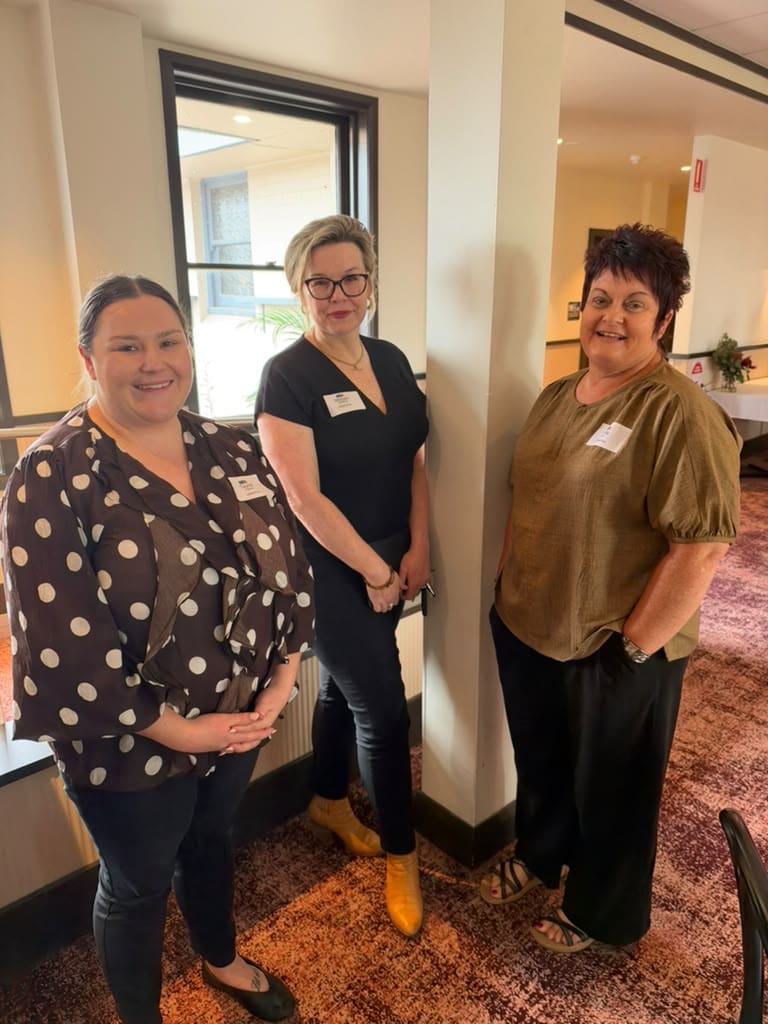
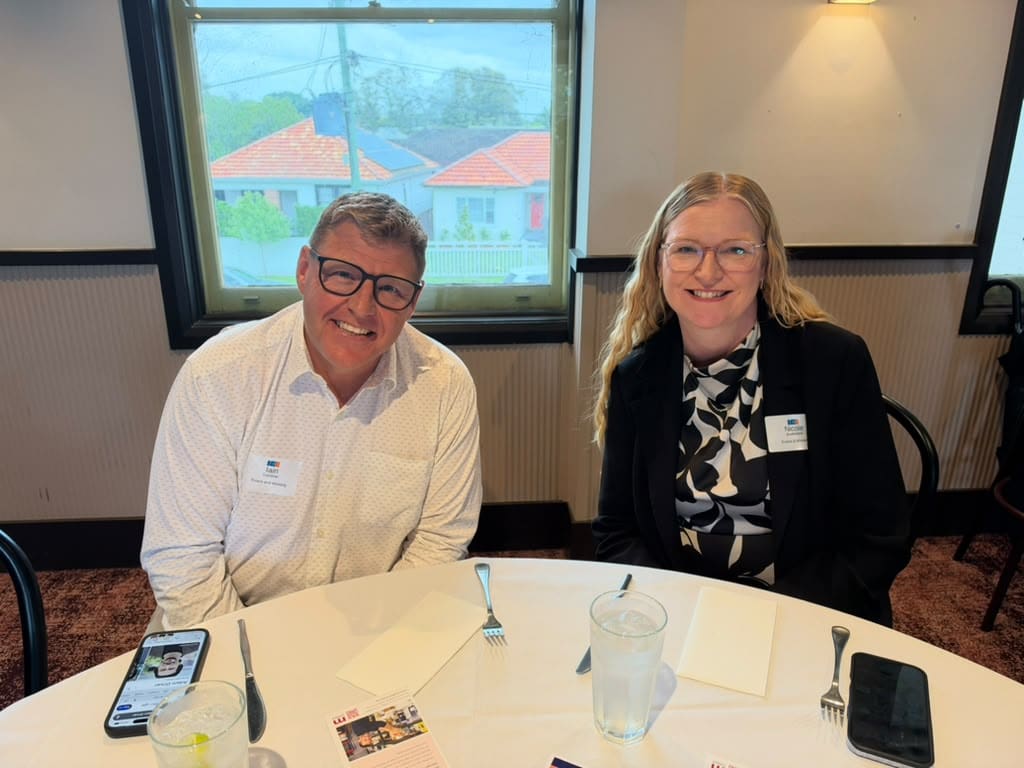
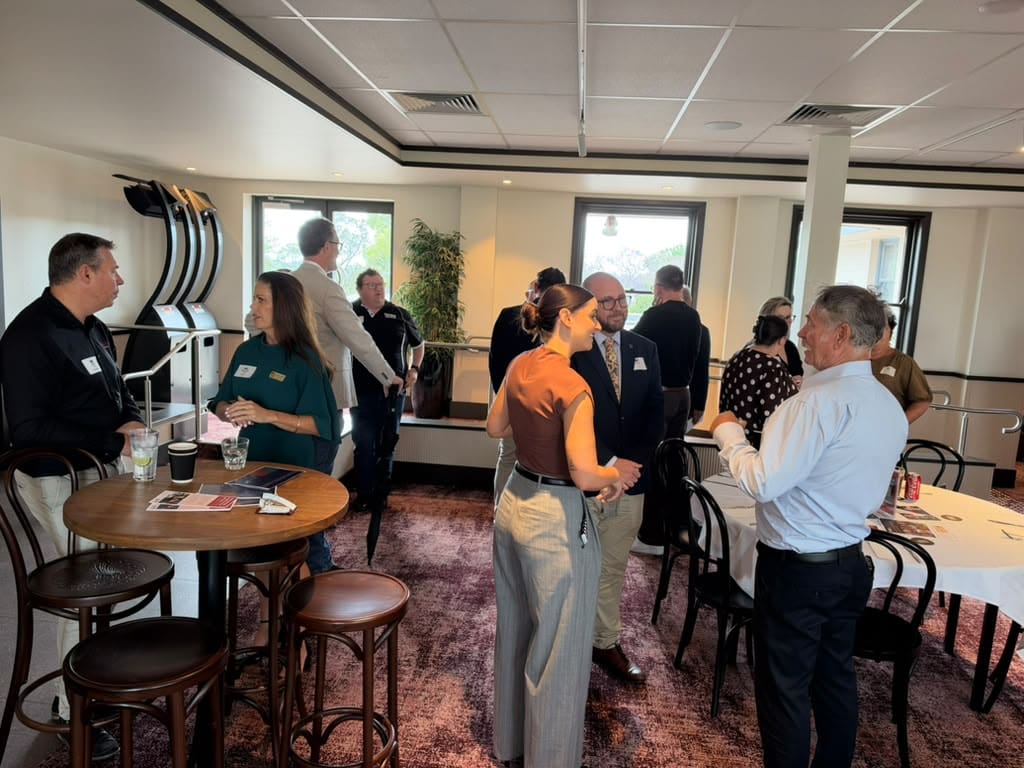
Yesterday’s Employment Pathways event brought together employers, educators, employment services and workforce development experts to explore practical solutions to one of the most pressing challenges facing businesses today: attracting, developing and retaining talent.
Businesses across Maitland and the Hunter continue to face significant and varied workforce skills shortages, while at the same time many capable and willing people remain underrepresented in the workforce. This means employers need to look beyond traditional recruitment methods and consider all available pathways into employment.
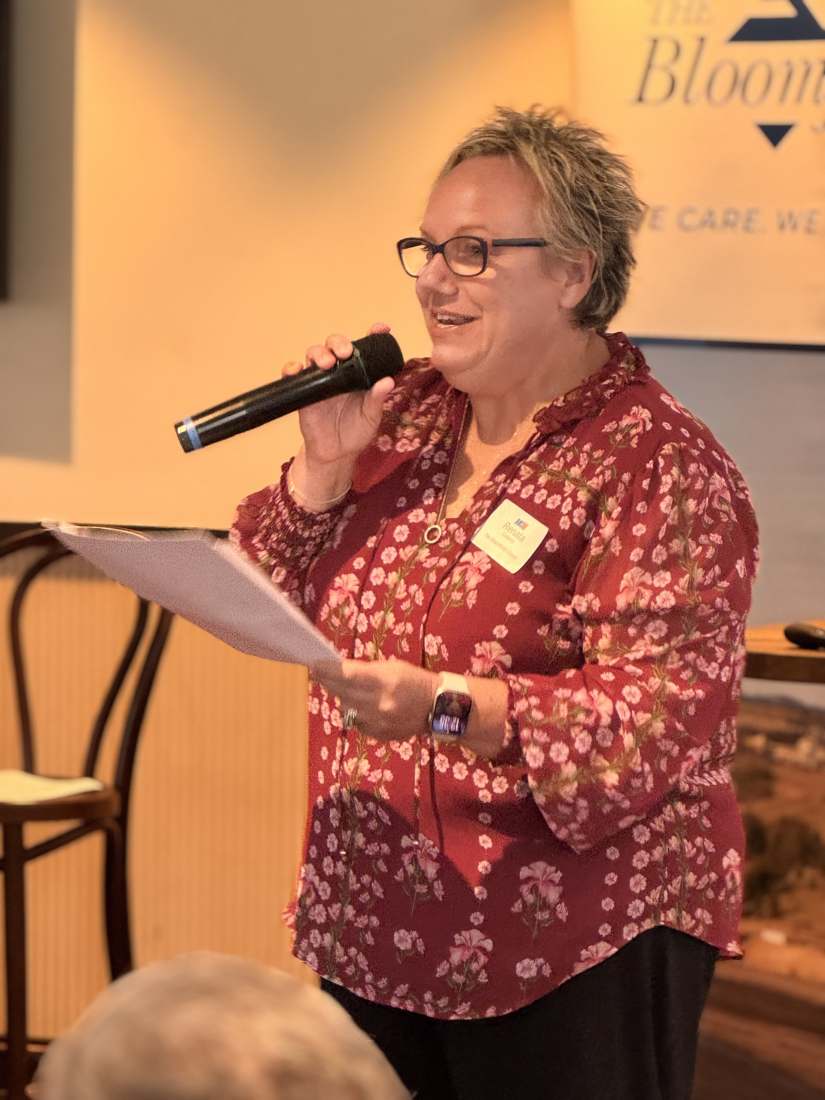
A sincere thank you to our Event Sponsor, The Bloomfield Group and Renata Roberts, Chief Corporate Services Officer for an insightful and thought-provoking presentation that set the tone for the afternoon. Drawing on Bloomfield’s workforce strategy, Renata shared how the organisation looks beyond simply filling vacancies and instead focuses on building long-term workforce capability through multiple employment pathways and a culture that supports people to thrive. Bloomfield’s approach includes apprenticeships, traineeships, work experience, vacation student programs, graduate pathways and career-change opportunities, all underpinned by a commitment to developing people rather than simply recruiting for roles. The presentation highlighted a powerful theme that carried throughout the event: recruit for potential, not just experience. “Potential isn’t developed by chance. It grows when people are given opportunity, support and the confidence to succeed.”
Bloomfield’s model demonstrates how creating multiple entry points into employment can build a sustainable talent pipeline. Read More
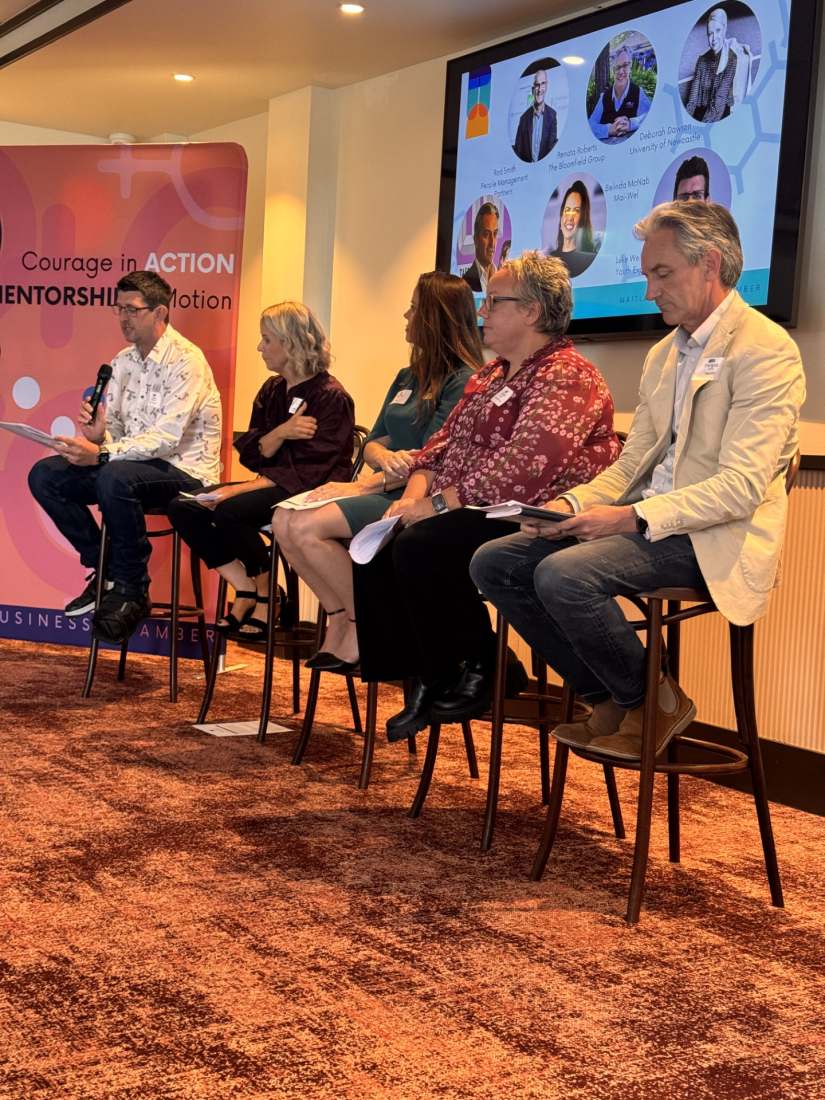
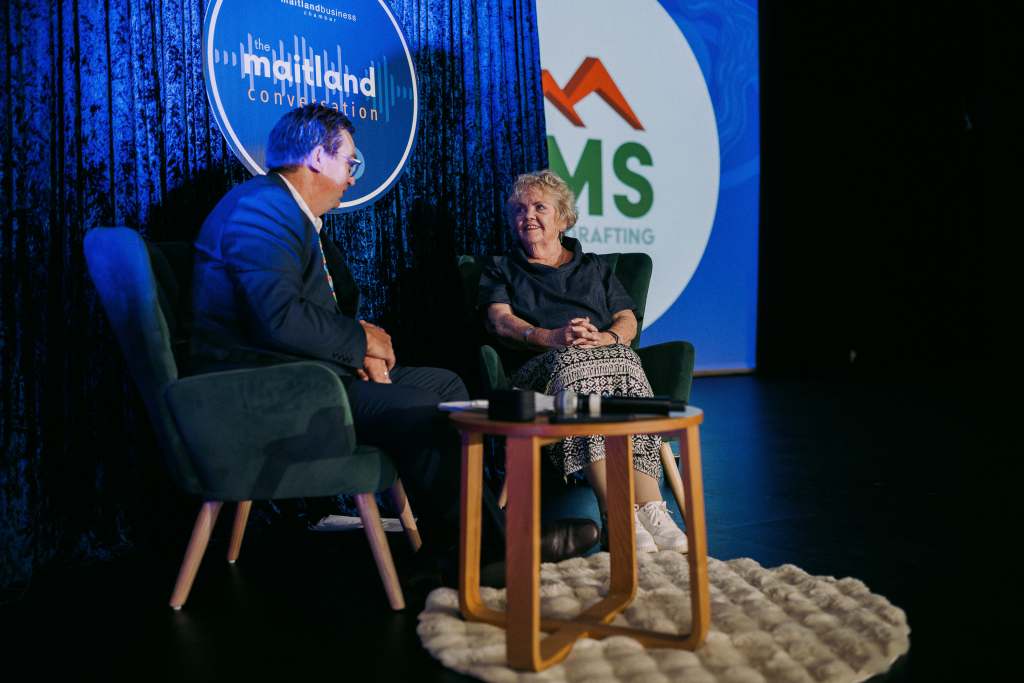
We then moved into a panel discussion, which proved to be a valuable and informative conversation.
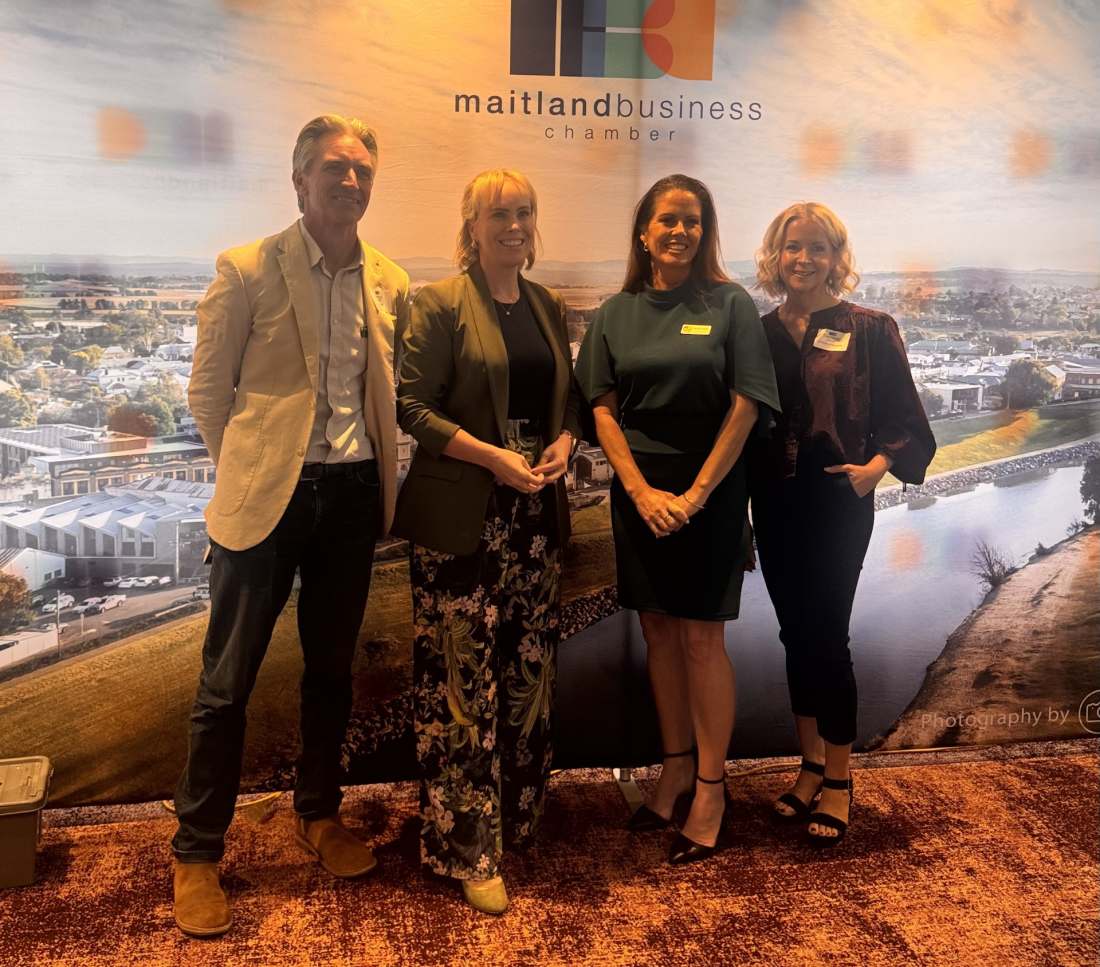
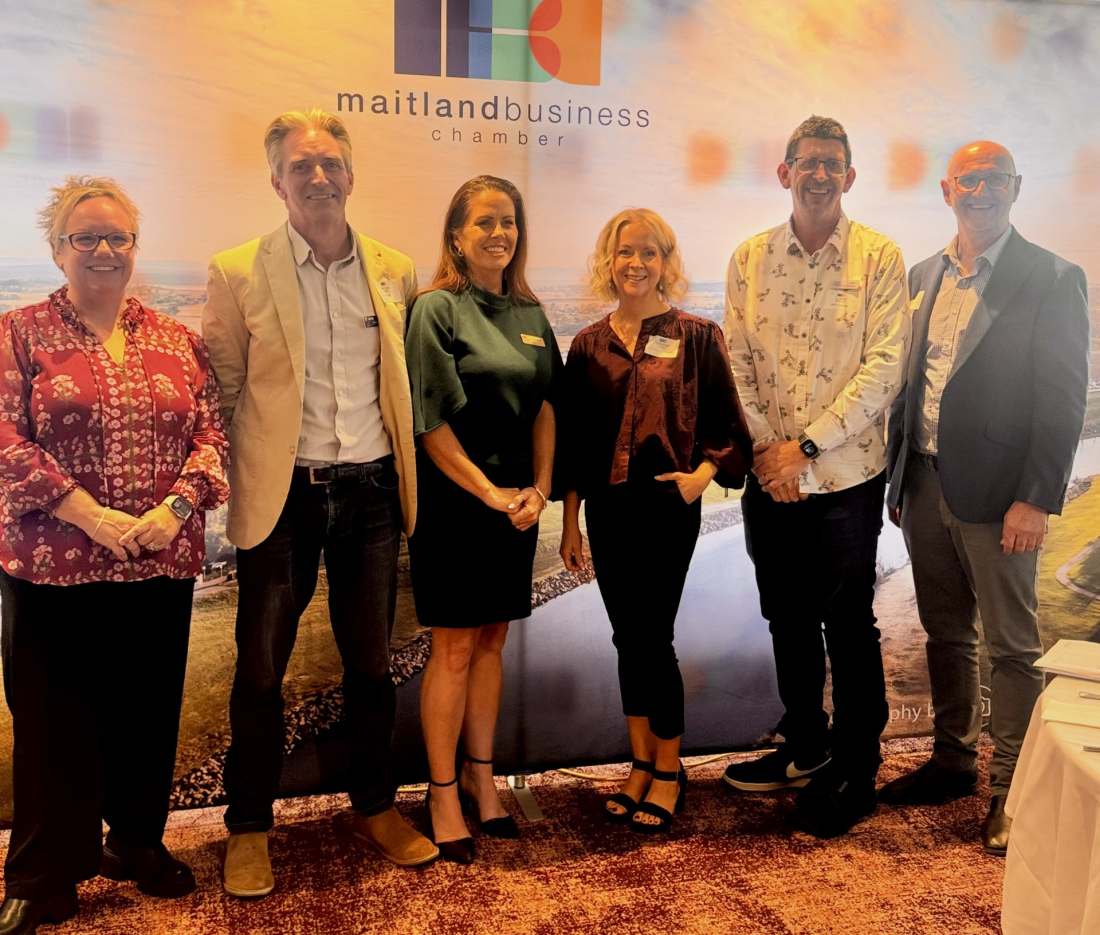
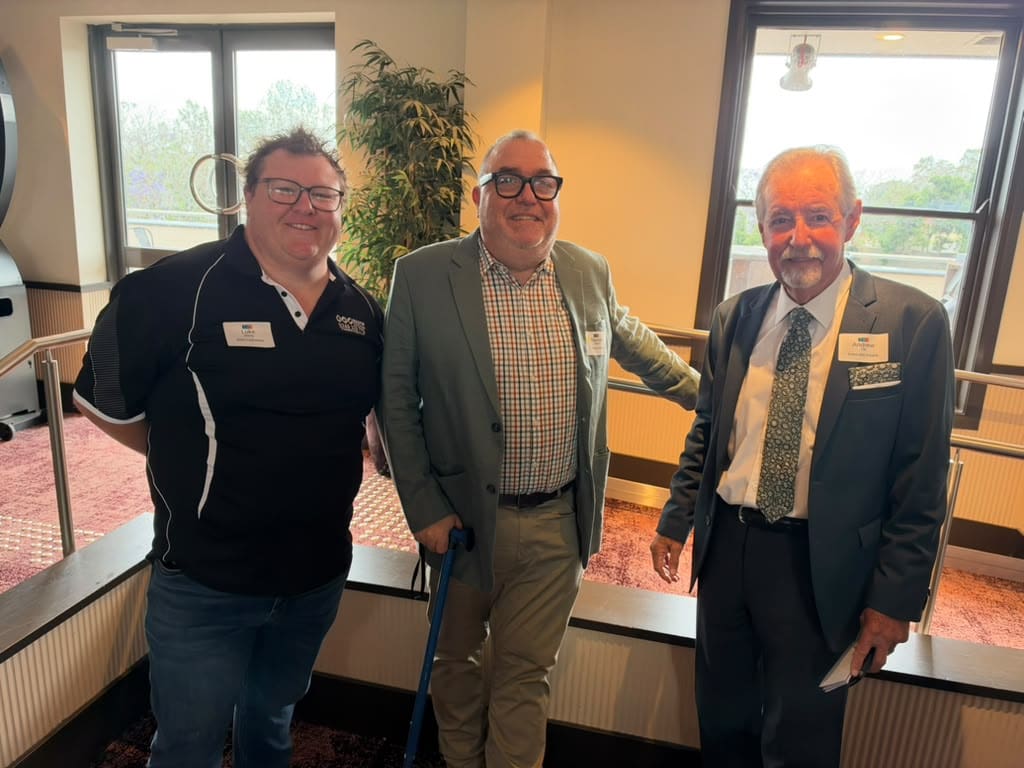
Featuring Renata Roberts, Luke Welsman from Youth Express, Belinda McNab from Mai-Wel, Deborah Dawson from the University of Newcastle and Fergus Black from TAFE NSW. While each panellist represented a different organisation and service, the conversation revealed a remarkably consistent message: employers have access to a wealth of support, talent and workforce solutions if they are prepared to engage early and think differently about recruitment.
Luke Welsman shared how Youth Express supports thousands of young people across the Hunter and challenged businesses to focus not only on technical skills, but on employability skills. Attributes such as communication, reliability, organisation, problem-solving, initiative and a willingness to learn are often stronger indicators of future success than existing qualifications. His message encouraged employers to identify potential and invest in developing capability rather than searching for a perfect candidate.
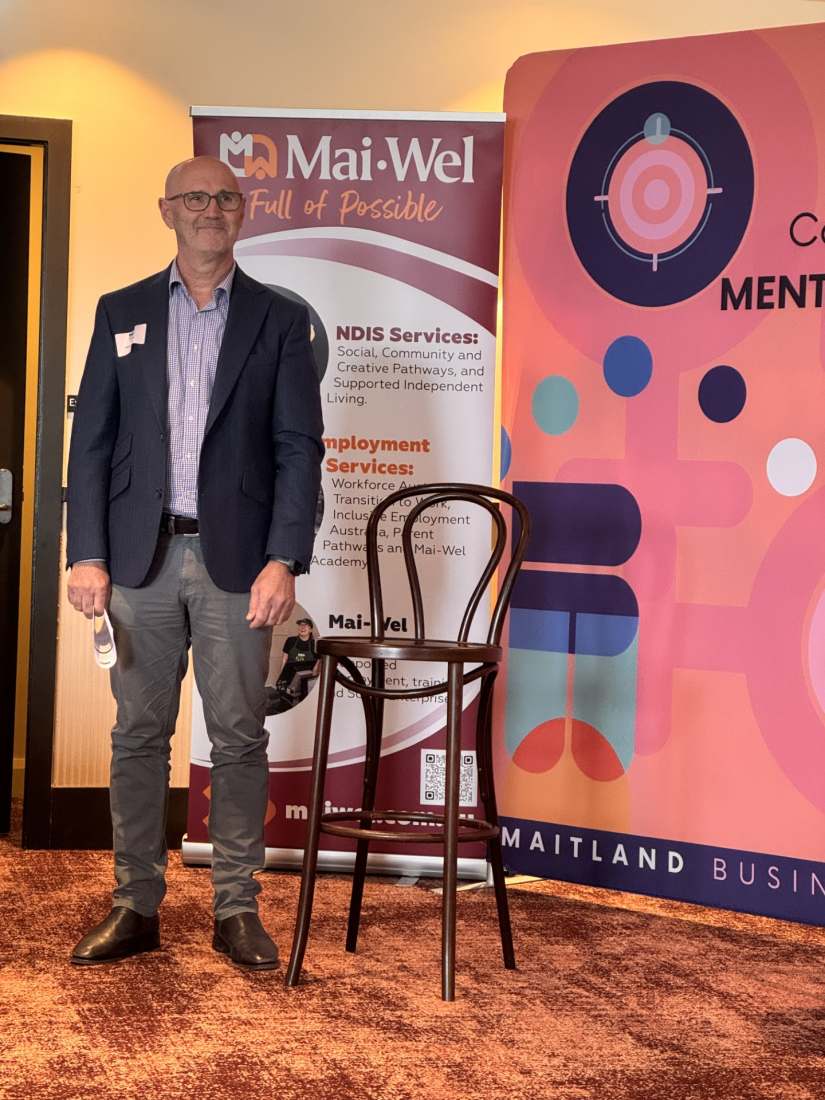
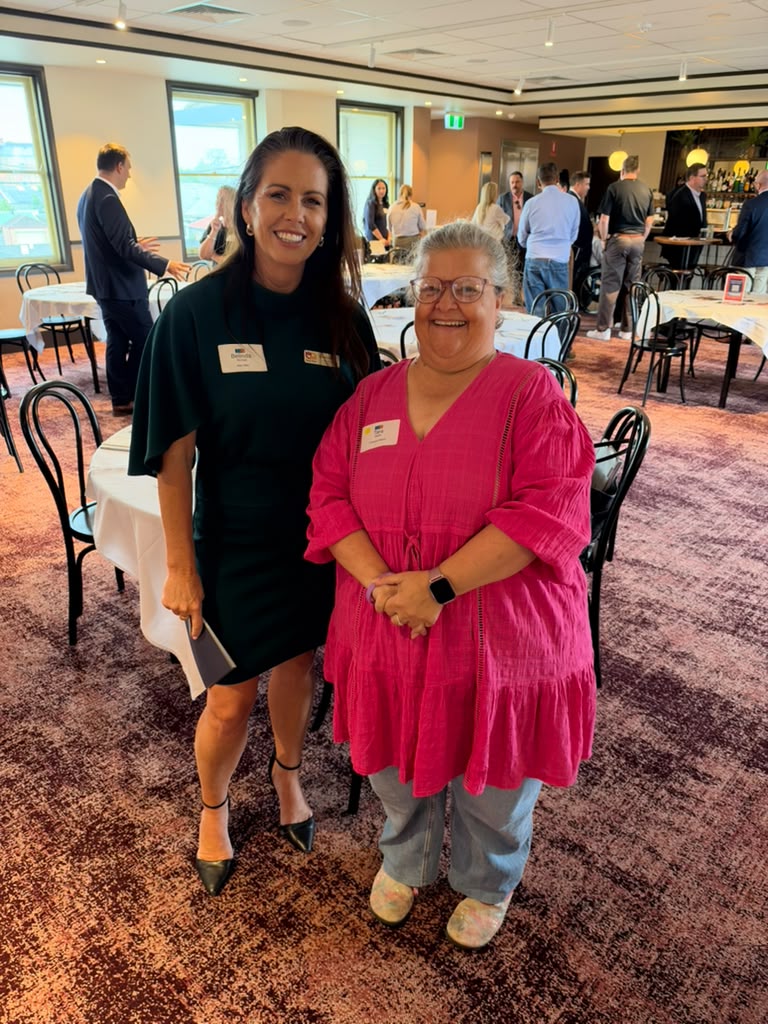
Belinda McNab highlighted the opportunities available through Mai-Wel’s employment programs supporting people with a disability and parents returning to the workforce, including the Parent Pathways initiative. She reinforced that there are motivated people actively seeking employment opportunities and that organisations such as Mai-Wel provide substantial support throughout both the recruitment and onboarding process, as well as ongoing support after employment commences. A practical example shared was the recent connection between Chamber member Stuart & Dunn Office Choice and Mai-Wel, which has already resulted in a successful employment outcome and demonstrates the value of engaging with these services.
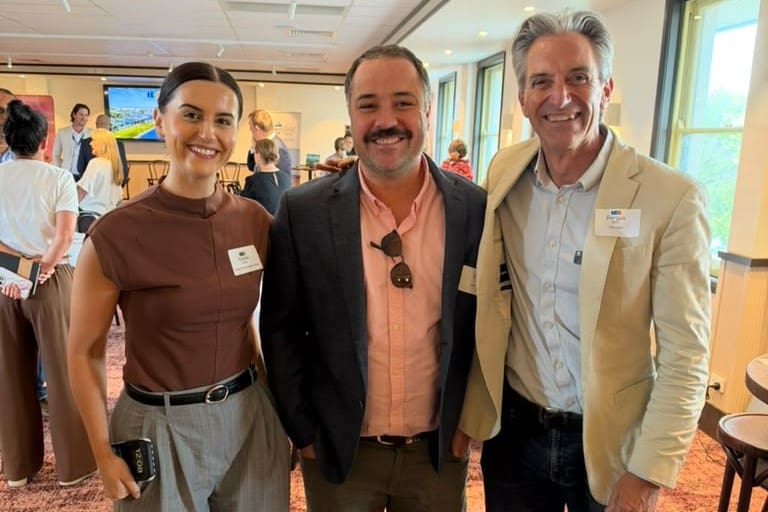
From the University of Newcastle, Deborah Dawson focused on the significant opportunities available through student placements and the University’s career engagement programs. With work-integrated learning employers have direct access to emerging talent while students gain valuable workplace experience. Importantly, placements are compulsory for all University of Newcastle undergraduate degrees, a work-ready benefit to our growing region. This means every student graduates with real workplace experience, and employers who host placements gain direct access to work-ready emerging talent. It was great to see Deborah acknowledge Stella from Mai-Wel, a University of Newcastle graduate who connected with attendees during the event. Stella is a prime example of a work placement leading to employment, having recently been appointed as Mai-Wel’s Engagement and Partnerships Officer.
Deborah also emphasised the importance of employer branding, encouraging businesses to proactively engage with students through presentations, career events and industry partnerships so that future graduates recognise and seek out organisations whose values align with their own.
Similarly, Fergus Black outlined the extensive support and pathways available through TAFE NSW, particularly for businesses seeking apprentices, trainees and skilled workers. He reinforced the value of building relationships with education and training providers to develop a sustainable workforce pipeline rather than waiting until vacancies arise.
Panellists openly acknowledged that, historically, engaging with TAFE and universities has not always been easy for employers. A valuable bonus of the event was that attendees can now have connections at their respective institutions, who have offered to connect them with the right people within their organisations. This is something the Chamber continually reiterates: connection is key to business success.
Throughout the discussion, several common themes emerged. Businesses were encouraged to shift their thinking from filling immediate vacancies to building future capability. There was strong agreement that successful workforce strategies identify and nurture potential, create opportunities for career development and foster workplace cultures where people genuinely want to work and grow. Panel members repeatedly highlighted the importance of leadership, culture and engagement in attracting and retaining talent.
One of the strongest takeaways from the afternoon was that workforce challenges cannot be solved by recruitment alone. The organisations represented demonstrated that there is a broad ecosystem of support available to employers, from youth engagement and vocational training through to university placements, workforce participation programs and internal leadership development initiatives. By leveraging these pathways and focusing on people, potential and culture, businesses can build stronger, more sustainable workforces for the future.
As Renata Roberts aptly concluded through Bloomfield’s philosophy, the best investment any organisation can make is not in equipment or infrastructure, but in people. “When we invest in potential, we don’t just build a workforce, we build futures.”
Key Takeaways
- Recruit for potential, not just experience. Bloomfield’s multiple pathways (apprenticeships, traineeships, work experience, graduate programs and career change) build a sustainable talent pipeline.
- Employability skills matter. Youth Express encouraged employers to value communication, reliability, initiative and a willingness to learn, and to invest in developing capability.
- Untapped talent is available. Mai-Wel supports people with a disability and parents returning to work, with help through recruitment, onboarding and beyond.
- Placements deliver work-ready graduates. Placements are compulsory for all University of Newcastle undergraduate degrees, and employer branding helps attract students.
- Build relationships early. TAFE NSW encouraged employers to connect with training providers to grow a pipeline of apprentices and trainees before vacancies arise.
- Connection is key to business success. Deborah and Fergus have offered to connect attendees with the right people at their institutions.
- Leadership and culture retain talent. Workforce challenges cannot be solved by recruitment alone.